
Key Takeaways
- Careful tax planning increases tax savings for any small business owner in Canada; choosing the right business structure (sole proprietorship, partnership, or Canadian controlled private corporation) determines how much tax you pay on business income.
- Clean, consistent record keeping and a separate business bank account are the foundation of CRA compliance; 72% of businesses miss deductions due to poor record-keeping habits.
- Common deductions like home office expenses, vehicle costs, capital cost allowance, and family member salaries are often underused but can meaningfully reduce taxable income.
- The first $500,000 of active business income inside a qualifying CCPC is taxed at a lower corporate rate, and incorporation allows for tax deferral on retained profits.
- Busy Beans Accounting supports Canadian business owners with year-round bookkeeping, payroll, and tax filing so they can focus on running their business rather than tracking rules and deadlines.
Introduction: Why Tax Planning Matters for Small Business in Canada
Every dollar a small business pays in unnecessary tax is a dollar that could have gone toward inventory, hiring, marketing, or the owner’s own retirement. Taxes directly affect a small business’s bottom line, and the difference between reactive filing and proactive planning can be thousands of dollars each year.
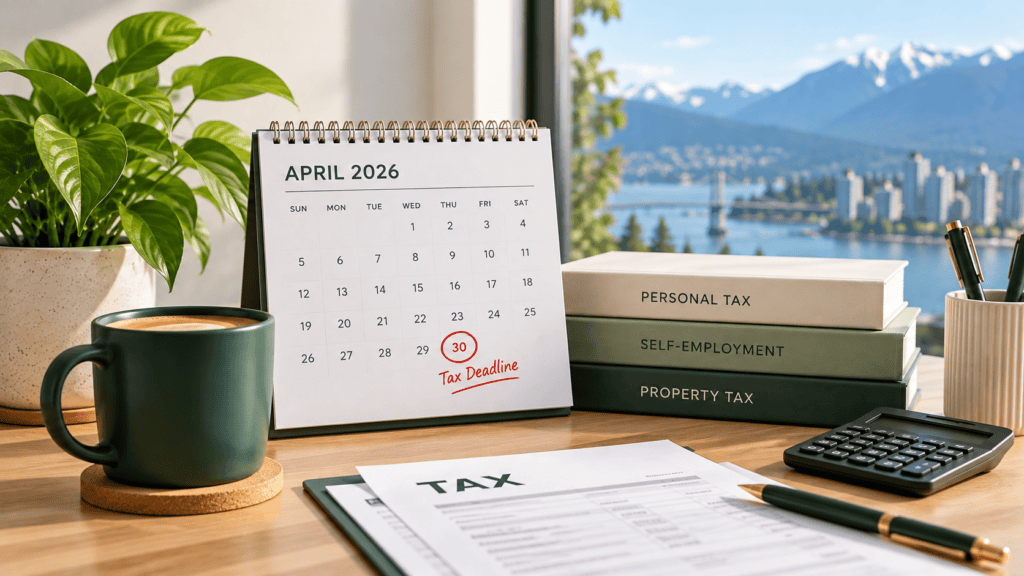
Business income is taxed differently depending on business structure, and small businesses can access special rates and deductions if they plan ahead. Many small business owners focus on sales and cash flow but neglect tax planning until April 30, which usually leads to missed tax savings. Busy Beans Accounting works as a bookkeeping and tax partner for Canadian small business owners, helping them stay organized, compliant, and confident year-round. The rest of this article is a practical, step-by-step guide to keeping more of what you earn.
Know Your Business Structure and How It Affects Tax
Your business structure is the single biggest factor in how your income is taxed, what deductions you can access, and how much flexibility you have in planning.
Sole proprietorships and partnerships report business income and expenses on Form T2125 within their T1 personal tax return. All profit flows directly to the owner’s personal income, taxed at their marginal rate. There is no separate legal entity, so the owner is personally liable for business debts.
Corporations, especially Canadian controlled private corporations (CCPCs), are a separate legal entity. They file a T2 corporate return and pay business income tax at the corporate level. Incorporation allows access to the small business tax rate: the small business deduction applies to the first $500,000 of active business income, bringing the federal rate down to 9%. Combined with provincial rates, the total on qualifying income can be as low as 9% in Manitoba or 11% in British Columbia.
Incorporation can lead to tax deferral benefits because profits retained inside the corporation are taxed at the lower corporate rate. The owner only pays personal tax when funds are withdrawn as salary or dividends. This tax deferral on retained profits is one of the primary reasons owners incorporate once their earnings consistently exceed what they need for personal living expenses.
A few important limits apply:
- Investment income does not qualify for the small business tax rate. If a corporation earns passive investment income, it is taxed at a higher rate.
- Investment income over $50,000 reduces the small business limit by $5 for every dollar above $50,000. The small business deduction is eliminated at $800,000 of adjusted aggregate investment income.
- Foreign investment income is also excluded from the small business deduction and taxed at the general corporate rate.
- Incorporated businesses can split income with family members through dividends, subject to the tax on split income (TOSI) rules under the Income Tax Act.
Business structure choices affect access to RRSP contribution room, CPP contributions, income splitting, and the timing of when profits are taxed personally. Business owners should review their structure with a tax professional before crossing key milestones, such as $80,000 or more in annual profits or hiring employees.
Understand What Counts as Business Income
Business income includes all amounts earned from selling goods or services in a trade, profession, or small business. It is separate from employment income. The Canada Revenue Agency defines it broadly: invoices to clients, online sales, subcontracting work, retainers, and even government subsidies related to the business all count.
All business income must be reported, including side gigs and part-time ventures. Under-reporting triggers consequences: the CRA applies a 10% penalty on unreported amounts after the first omission.
For corporations, business income is reported at the corporate level on the T2 return. For unincorporated businesses, it flows directly to the owner’s personal tax return via Form T2125. Another threshold to watch: businesses must register for and collect GST/HST if gross taxable revenues exceed $30,000 over four consecutive calendar quarters. Once registered, collecting and remitting sales tax, filing returns, and keeping related records are all required.
Using reliable bookkeeping software and consistent bank feeds ensures that business income is captured and categorized automatically, reducing the chance of missed revenue or misclassified entries.
Separate Business and Personal Finances From Day One
- Open a dedicated business bank account and, where appropriate, a business credit card solely for business expenses. Maintaining separate personal and business accounts is essential for accurate bookkeeping.
- Mixing personal and business transactions makes it difficult to prove expenses to the CRA and increases bookkeeping time and cost. When personal finances are tangled with business transactions, your bookkeeper has to sort every line item manually.
- A simple workflow works well: deposit all client payments into the corporation’s bank account (or your dedicated business account if unincorporated) and pay all recurring business bills from that account. This keeps personal finances separate and creates a clean audit trail.
- Busy Beans Accounting’s monthly bookkeeping services rely on clear bank feeds to ensure every transaction is tracked, categorized, and reconciled correctly. That process starts with a separate bank account.
Build Strong Record Keeping Habits to Protect Your Tax Position
The CRA requires businesses to keep books and records for at least six years from the end of the last tax year they relate to. Good record keeping is essential to support deductions, credits, and your overall tax position.
Core records every small business owner should keep:
- Invoices (issued and received)
- Receipts for all business expenses
- Contracts with clients and vendors
- Mileage logs for vehicle use
- Payroll reports and T4 summaries
- Bank and credit card statements
- Fixed asset purchase records
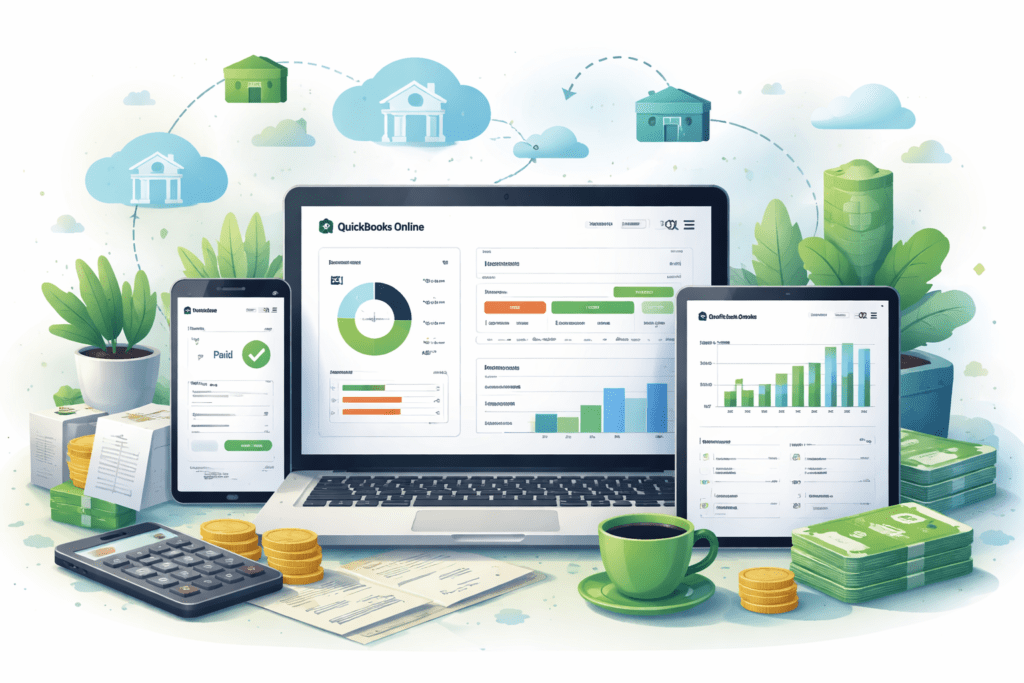
72% of businesses miss deductions due to poor record-keeping. That number alone should motivate a shift in habits. Using accounting software minimizes errors in record-keeping and makes year-end preparation faster. Cloud bookkeeping tools like QuickBooks Online, paired with a receipt-capture app such as Dext, let you store documents electronically with proper backup.
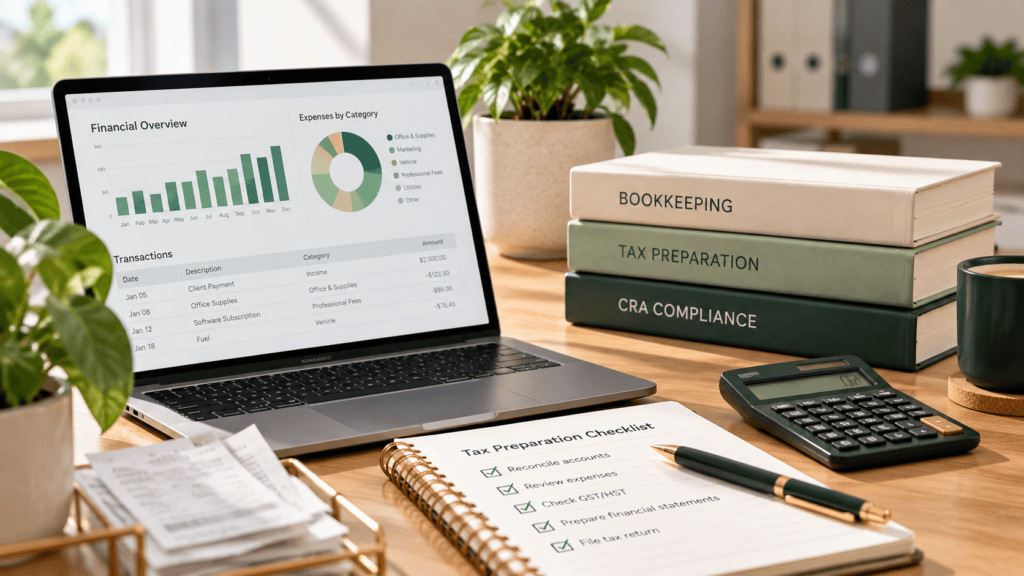
A simple monthly routine keeps things manageable: reconcile bank accounts, review income and expense categories, and file digital receipts. Accurate records help identify eligible tax deductions that might otherwise be overlooked. Maintaining organized records is what allows you to claim deductions successfully during a CRA review or audit; if you cannot produce documentation for an expense, the deduction can be denied.
Busy Beans specializes in monthly bookkeeping cleanup and maintenance, helping owners move from a shoebox of receipts to tax-ready financial records without judgment.
Claim All Legitimate Operating Expenses
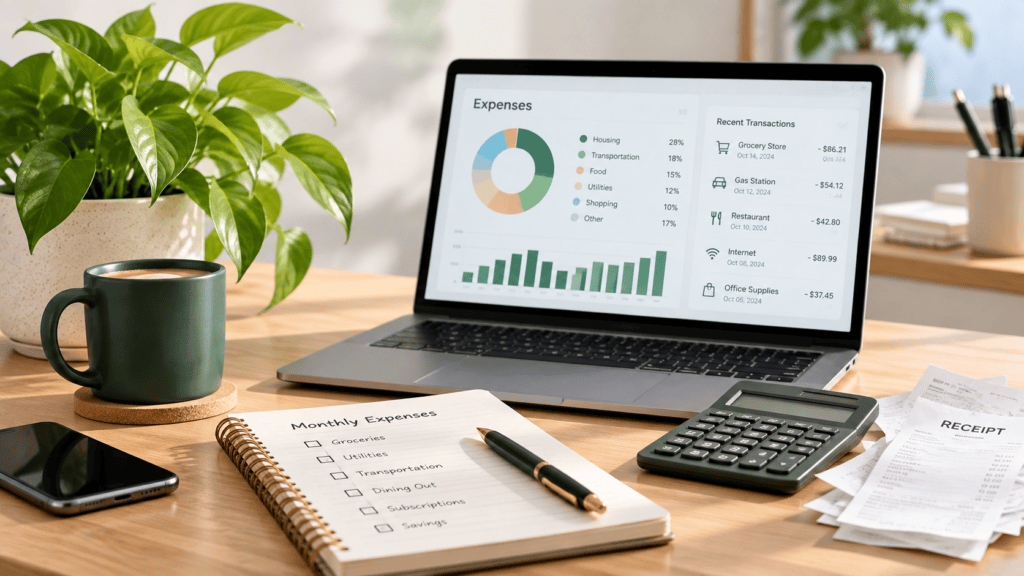
- Any reasonable cost incurred to earn business income may be deductible, subject to CRA rules. Missing small recurring expenses adds up over a year.
- Common deductible categories include: office supplies, software subscriptions, advertising, professional fees (legal and accounting costs can often be deducted as business expenses), business insurance, and bank charges related to the business bank account.
- Claiming legitimate business expenses can reduce taxable income for small businesses by thousands of dollars annually. Even items like postage, domain renewals, and cloud storage subscriptions qualify as eligible expenses if they are clearly tied to earning business income.
- Expenses must be properly documented and clearly business-related to stand up in a CRA review or audit.
- Review your expense list at least annually with a tax professional to ensure nothing is overlooked or misclassified.
Make the Most of Home Office Expenses
Home office expenses can be partially deducted if the workspace meets CRA criteria: it is the principal place of business, or it is used regularly and exclusively to meet clients or conduct business work.
Key costs that may be partially deductible for home-based small business owners:
- Utilities (heat, electricity, water)
- Internet service
- Rent, or a portion of mortgage interest for homeowners
- Property taxes
- Home insurance
- Minor repairs to the workspace
To calculate the business-use percentage, divide the office square footage by the total finished area of the home. For example, a 200-square-foot workspace in a 2,000-square-foot home gives a 10% deduction rate. If hours of use differ from full-time, adjust the percentage accordingly.
Home office expenses usually cannot create or increase a business loss. Unused amounts may be carried forward to a future year. Keep a simple floor plan and your calculation in your tax file in case the CRA questions your claim.
One related rule that applies broadly: you can deduct 50% of business meals and entertainment expenses. This cap applies to meals with clients, not to solo lunches at your desk.
Deduct Vehicle and Travel Costs the Right Way
Owners can deduct reasonable vehicle expenses for business use, based on the percentage of business kilometres driven during the year. If you drove 20,000 km total and 5,000 km for business, your business-use percentage is 25%.
Common deductible vehicle costs:
- Fuel
- Insurance
- Repairs and maintenance
- Licence and registration fees
- Lease payments (capped at approximately $1,100/month)
- Interest on a vehicle loan (capped at approximately $350/month)
Documenting vehicle expenses requires a detailed log of business kilometers driven. The log should record dates, destinations, the purpose of each trip, and kilometres. Without this contemporaneous mileage log, the CRA can deny the entire vehicle deduction.
Travel expenses like airfare, hotels, and 50% of business meals during trips may also be deductible when clearly connected to earning business income. Keep digital copies of receipts and trip summaries inside your bookkeeping system for easy reference at tax time.
Use Capital Cost Allowance to Spread Out Big Purchases
Capital cost allowance (CCA) is the system for deducting the cost of depreciable assets over time. Instead of writing off the full cost of a computer, vehicle, or piece of machinery in the year of purchase, CCA spreads the deduction across multiple years at rates set by the CRA for each asset class.
Capital Cost Allowance allows depreciation deductions on business assets such as:
| Asset Type | CRA Class | Depreciation Rate |
| Office furniture, equipment | Class 8 | 20% |
| Computers | Class 50 | 55% |
| Passenger vehicles (over cost limit) | Class 10.1 | 30% |
| Buildings | Class 1 | 4% |
When personal assets are brought into the business, their fair market value becomes the starting cost for CCA purposes. Owners can choose how much CCA to claim each year, up to the maximum rate, making it a useful tool for smoothing taxable income across years.
Maintain a fixed asset register that records purchase dates, costs, classes, and dispositions so no CCA gets missed or duplicated. Consult a tax professional when buying major business assets late in the year to decide whether to accelerate or defer the first CCA claim.
Bringing Personal Assets Into the Business at Fair Market Value
When a small business owner transfers a personal asset (like a computer, vehicle, or equipment) into the business, the Income Tax Act generally treats this as a sale at fair market value. This fair market value becomes the cost base for capital cost allowance and may trigger a capital gain if FMV exceeds the original personal cost.
The mechanism differs by structure. Sole proprietors simply begin claiming CCA on the asset at its fair market value. Corporations and partnerships may use certain elections (such as a section 85 rollover for corporations) to manage the tax impact of transferring personal assets into the business entity.
Document how fair market value was determined. Quotes from dealers, comparable sales listings, or formal appraisals all work. Keep that evidence on file. Before transferring higher-value business assets, get advice so you understand both the immediate tax impact and the long-term CCA implications.
Employing Family Members in the Business
Paying a reasonable salary to spouses or adult children who genuinely work in the business is one of the most practical tax strategies available to small business owners. Income splitting with family members reduces the overall tax burden because it shifts income into a lower tax bracket.
Here is why this matters:
- The first $15,000 of a family member’s salary is effectively tax-free due to the basic personal amount.
- Family members’ salaries are tax-deductible for the business, reducing the business’s taxable income.
- Employing family members can create net tax savings when the business owner would otherwise be taxed at a higher marginal rate on the same dollars.
- Employing family members can provide tax deductions for their salaries while also building their RRSP contribution room and CPP credits, supporting their long-term financial security.
The work must be real, the pay must match fair market value for the role, and payments must go through normal payroll or contractor processes with a clear paper trail. Keep job descriptions, time sheets, and payment records to substantiate family member employment if the CRA reviews the file.
Busy Beans’ payroll services can help ensure that salaries to family members are processed correctly and CRA remittances are submitted on time.
Using a Separate Bank Account and Consistent Cash Flow Practices
- A separate business bank account makes tracking inflows and outflows straightforward, including GST/HST collected and payroll remittances owed.
- Set aside a fixed percentage of every deposit into a tax savings sub-account. A common range is 20-30% of net business income. This way, your April 30 payment and any instalment obligations are covered without scrambling.
- Schedule monthly reviews of bank activity with your bookkeeper. This catches errors early and avoids surprises at year-end.
- Clear separation of funds helps your bookkeeping team and tax preparer file accurate, timely tax returns and reduces the risk of CRA questions. When household expenses are mixed in with business transactions, it takes more time and costs more to sort everything out.
Take Advantage of Key Tax Credits and Incentives
Beyond deductions, small businesses may qualify for tax credits that directly reduce taxes payable. Credits differ from deductions: a deduction lowers taxable income, while a credit reduces the tax bill dollar for dollar.
Examples of credits and incentives available to Canadian businesses:
- Businesses can utilize scientific research and experimental development (SR&ED) tax incentives for qualified activities. This is the largest single source of federal government support for industrial R&D in Canada.
- Apprenticeship job creation tax credits, where applicable, for hiring eligible apprentices.
- Provincial and regional programs that vary by location and industry.
Eligibility often depends on the type of activity, not just business size. Programs change from one tax season to the next; the federal government and provincial governments update or introduce new incentives regularly. Busy Beans keeps clients informed of relevant small business tax changes and coordinates with them ahead of filing deadlines so nothing is missed.
Planning When and How to Pay Yourself
Incorporated business owners generally have three options for extracting funds: salary, dividends, or shareholder loans. Each carries different tax consequences, and the right mix depends on personal financial goals and the corporation’s cash position.
Salary is earned income. It creates RRSP contribution room and requires CPP contributions. RRSP contributions are tax deductible, reducing taxable income in the year they are made. RRSPs provide tax-sheltered growth until withdrawal, making them a core retirement tool. However, income from dividends does not count towards RRSP contribution room, so owners who take only dividends lose access to RRSP-based tax deferral.
Dividends do not require CPP contributions and are taxed at different personal rates through the gross-up and dividend tax credit mechanism. For some owners, dividends result in a lower personal tax bill than salary, but the trade-off is no RRSP room and no CPP.
Shareholder loans allow the owner to borrow from the corporation, but drawing too much without proper planning can cause the CRA to include the loan in the owner’s personal income, triggering unexpected tax and penalties.
Two additional tools worth noting for personal financial goals:
- The tax free savings account (TFSA) had a contribution limit of $7,000 for 2023. Withdrawals from a TFSA are tax-free at any time, making it a flexible savings vehicle alongside RRSPs. Contributions to a TFSA are not tax deductible, but all growth inside the account is a tax free benefit.
- The lifetime capital gains exemption may apply when selling qualifying small business corporation shares, sheltering a portion of the capital gains from tax.
Encourage owners to map out an annual compensation plan that balances corporate and personal tax, cash flow needs, and retirement savings. Busy Beans helps clients keep their bookkeeping accurate so their accountant can design well-informed remuneration strategies.
Stay Current on CRA Rules and Filing Deadlines
Key filing dates for Canadian small business owners:
| Deadline | Who It Applies To | Notes |
| April 30 | Most individuals | Payment of personal income tax owing |
| June 15 | Self-employed individuals | Filing deadline (payment still due April 30) |
| 6 months after year-end | Corporations | T2 corporate return filing |
| 2-3 months after year-end | Corporations | Corporate tax balance due |
| Quarterly or monthly | GST/HST registrants | Remittance and filing of GST/HST returns |
Corporations generally have six months after their fiscal year-end to file the T2 return, but tax balances are usually due within two or three months depending on the corporation’s status. Missing these deadlines triggers penalties and daily interest charges from the CRA.
Track GST/HST, payroll, and instalment deadlines as part of your calendar. Most small business owners underestimate how many deadlines exist beyond the annual income tax filing. Subscribing to CRA updates or working with a bookkeeping and tax team that actively monitors changes reduces the risk of costly surprises.
Staying ahead of deadlines avoids penalties, interest, and last-minute stress. An existing business that has been filing late consistently draws CRA attention and increases audit risk.
How Busy Beans Accounting Supports Your Tax Strategy
Busy Beans Accounting is a long-term bookkeeping and tax partner for Canadian small businesses. The team provides accurate monthly bookkeeping, payroll processing, and organized records that make it easier to claim every legitimate deduction and file on time.
As one of the tax professionals small business owners across Canada can rely on, Busy Beans brings over 30 years of experience, judgment-free support, clear communication, and dependable deadlines. Financial statements are prepared consistently, financial records stay organized, and nothing slips through the cracks.
If you are unsure whether your current records are tax-ready, Busy Beans offers a $99 Book Review as a low-commitment starting point. For ongoing support, their bundled packages cover bookkeeping, payroll, and tax returns for one predictable monthly fee. No surprise add-ons, no hidden charges. Book a discovery call to find out how organized financial records translate directly into tax savings and peace of mind for your business operations.
Frequently Asked Questions
Do I need to register a business to be considered a small business owner for tax purposes?
You can be a small business owner even without formal registration or a storefront. If you earn self-employment or side-gig business income, you are required to report it on your personal tax return. A business name registration or incorporation is a legal step, but CRA tax rules focus on whether you are carrying on a business and earning business income. Anyone earning regular non-employment income from freelancing, consulting, or online sales should speak with a tax professional about their filing obligations and whether GST/HST registration is needed.
How long should I keep my business receipts and records?
The CRA generally requires small business owners to keep books and records for at least six years from the end of the last tax year they relate to. Digital copies of receipts, invoices, and contracts stored securely in cloud bookkeeping software satisfy the requirement and are easier to search and back up. In some cases, such as when returns are filed late or when disputes are ongoing, keeping records longer than six years is prudent. A financial advisor or tax professional can help determine the right retention period for your situation.
Can I deduct 100% of my home internet and cell phone bills?
Internet and cell phone costs are usually split between personal and business use. Only the business-use portion is deductible. Estimate an honest percentage based on actual usage and keep a brief note or example month in your records to support the calculation. Claiming an obviously unrealistic business-use percentage (such as 100% for a phone you also use personally) can draw attention during a CRA review. A reasonable split, documented clearly, protects the deduction.
What happens if I miss a tax deadline or underpay my taxes?
Late filing and late payment trigger penalties and daily interest charges from the CRA, which increase your tax bill over time. If you are behind, file as soon as possible, even if you cannot pay in full. Filing reduces late-filing penalties. A professional bookkeeping and tax team can help reconstruct records, file outstanding returns, and set up better systems going forward. Busy Beans regularly helps business owners who are behind on their books catch up and get back on track.
When does it make sense for a small business owner to incorporate?
General factors include consistently higher profits than the owner needs for personal living expenses, a desire for liability protection, and access to the CCPC small business tax rates. The first $500,000 of active business income qualifies for a lower tax rate inside a corporation, and retained earnings grow at the corporate rate until withdrawn. However, incorporation adds complexity and costs: a separate bank account, T2 corporate returns, incorporation costs, and payroll setup for the owner. For very small or seasonal businesses, the overhead may outweigh the tax benefits. Discuss your specific situation, including both business advice and personal circumstances, with a qualified tax professional before deciding.